Campus sustainability efforts continue throughout summer

Close
duPont Library

Members of PowerSave Campus, a student internship program that leads sustainability efforts, have turned up the thermostats and turned off the lights this summer as they worked to increase energy efficiency on the Sewanee campus.

PowerSave intern Jordan Long, C’14, analyzed occupancy schedules and temperature in campus buildings to develop strategies for using the buildings in the most energy-efficient way possible, she says. A new policy, which PowerSave helped implement, promotes setting thermostats on campus at 76 degrees Fahrenheit during the summer.

Long says she has also been planning an environmental career panel featuring Sewanee alumni, drafting a policy for purchasing energy-efficient electronics and appliances, and organizing a sustainability orientation for first-year students with the help of new Assistant Sustainability Coordinator Daniel Church (C’11) and PowerSave intern Grace Saunders, C’14.

“This event will not only give freshmen the tools they need to use energy wisely in their dorms, but will really introduce them to the broader sustainability grid at Sewanee and show them how easy it is to get plugged in with projects that interest them,” Long says.

Saunders also did work for PowerSave this summer measuring water flow in dorm faucets. She found that some faucets were producing water at a rate as high as five gallons per minute, when the recommended amount is less than one gallon. Saunders will continue her project by installing energy-efficient faucets.

PowerSave team manager Jonathan Brenes Salazar, C’14, also helped decrease water waste in the dorms by installing low-flow showerheads.

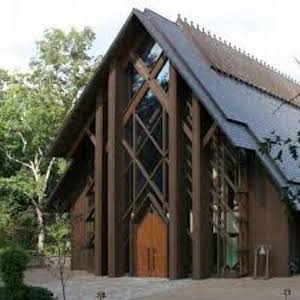
PowerSave interns collaborated with another energy-conservation internship program sponsored by the Jessie Ball duPont Fund to remove unnecessary light bulbs above the library stacks, says Director of Sustainability Integration Marvin Pate. A light meter showed that some areas had been lit too brightly.
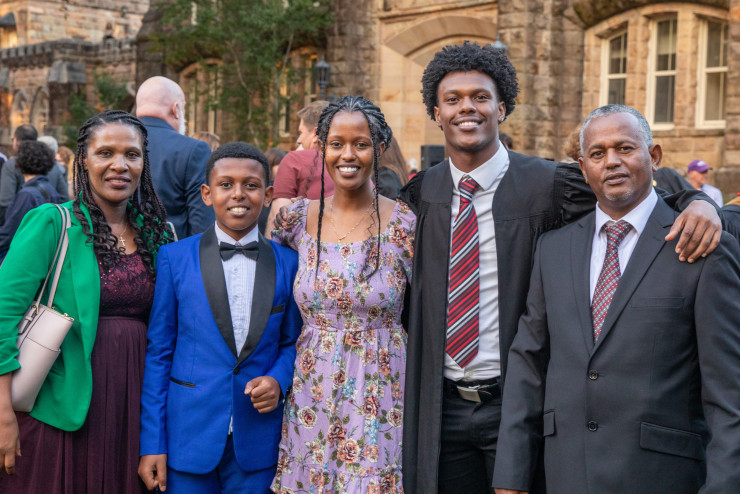
PowerSave’s sustainability efforts extend beyond this summer’s work. Members have conducted multiple projects as part of the year-round internship. One of the largest projects was “Sewanee Unplugged,” an energy conserving competition among residence halls that took place last November. Total energy savings during the month were $1,500 and 20,600 pounds of carbon dioxide.
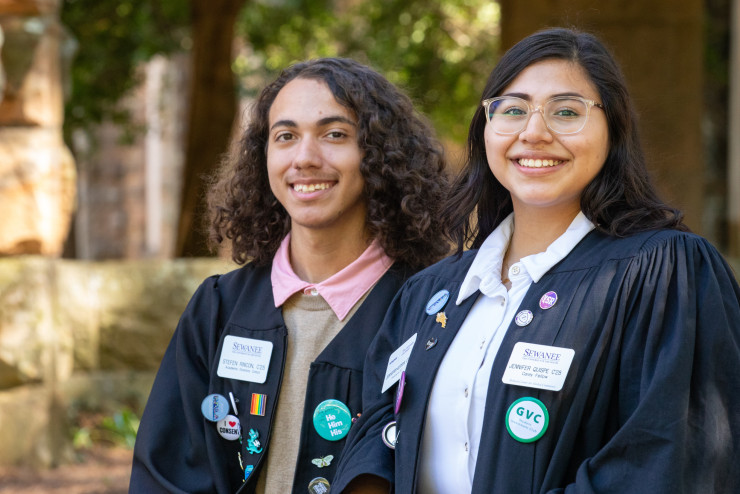
Other projects included installing four low-temperature streetlamps, which were donated by Tennessee Valley Authority (TVA), and meeting with the architects designing a new residence hall and renovating the Sewanee Inn to discuss energy-efficient designs.

PowerSave Campus, formerly called the Green Campus Network, is administered by the Alliance to Save Energy and evolved out of a nine-year program based in California. Last year, Sewanee was chosen to be part of the TVA-funded program along with six other institutions in the area including the University of Mississippi and the University of Memphis.

Four Sewanee students were chosen to be part of the first PowerSave team, and this coming year three more students will join the group.

Long says she thinks sustainability-focused campus organizations are important because they help students become aware of their own environmental impact.

“PowerSave in particular gives students the practical tools needed to take accountability and make a real change,” she says.

Brenes says that PowerSave corresponds to the educational mission of the university. “The program gives students transferable skills and valuable work experience that in turn benefit the community by achieving measurable energy savings.”

Avery Shackelford

View all stories in Domain Life