Professor and student research historic campus cottage

Close

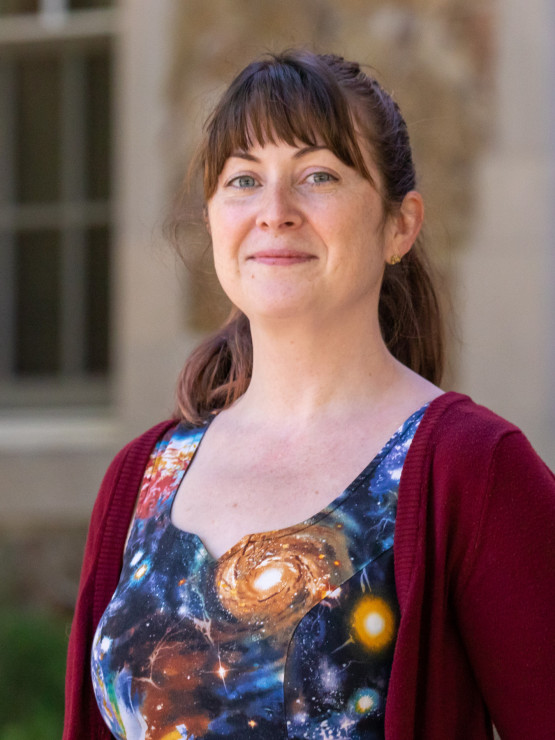
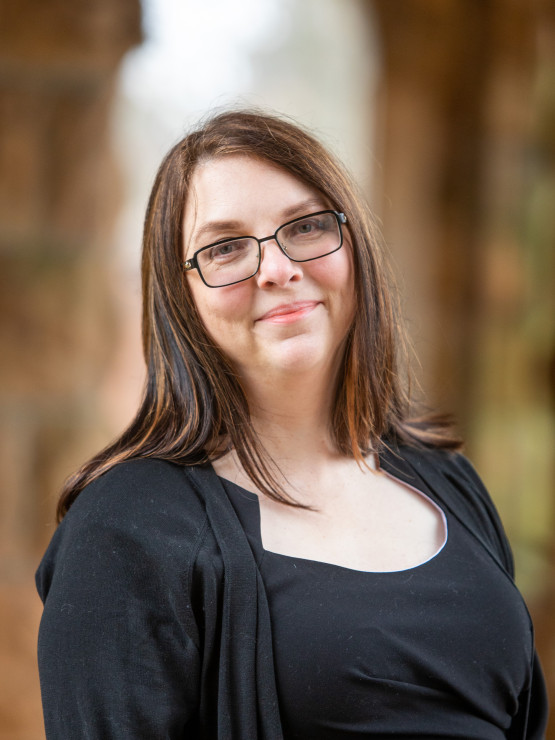
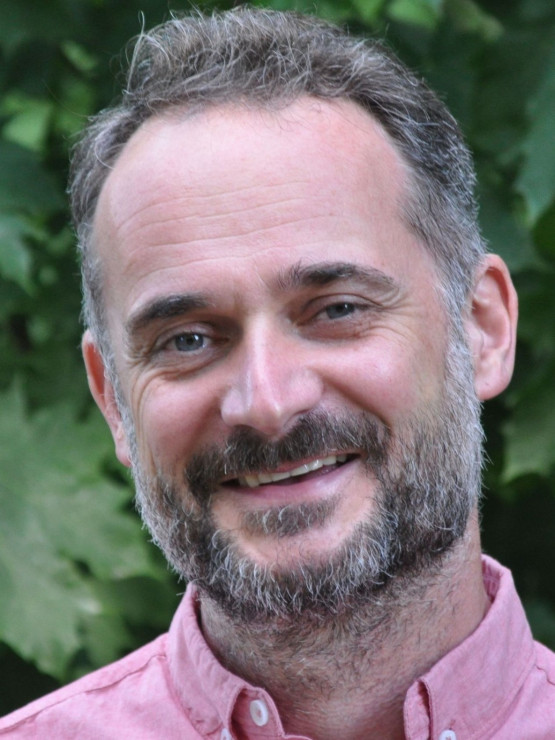
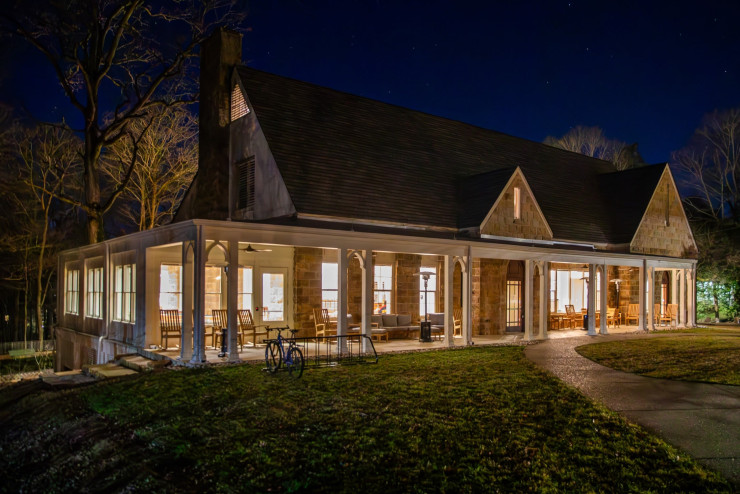
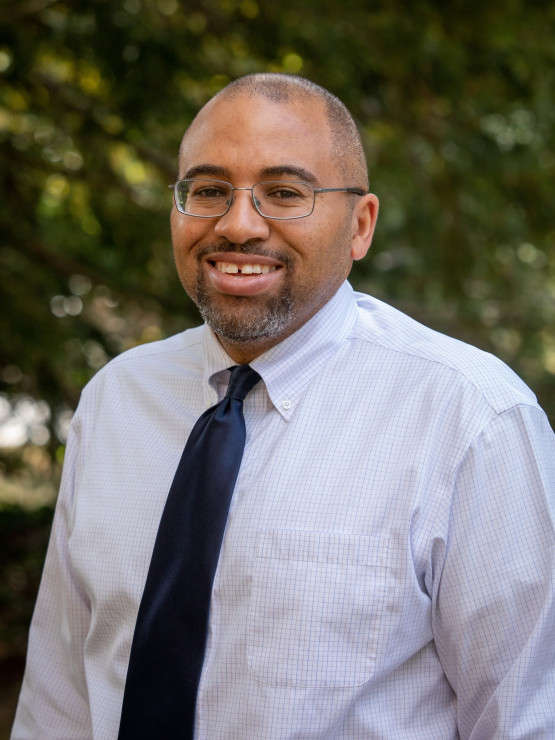
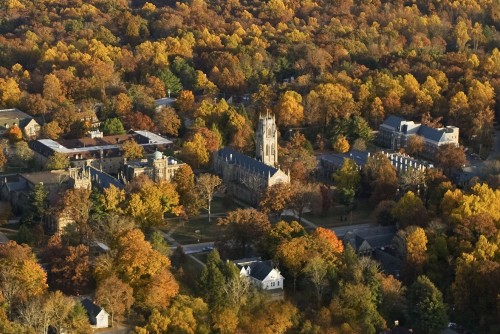
Professor of Religion Gerald Smith and archeology intern Jane Millar, C’14, have been researching the history of a building that was recently torn down to make room for a new residence hall. (The possibility of moving the cottage was explored; for both structural and environmental reasons, it was not feasible to move it.) The Fulford Domestic Cottage was located behind Fulford Hall and was used as a residence for domestic servants as late as the 1950s, Smith says.

Smith and Millar used a variety of methods to find out more about the cottage, including mapping the site, looking at the cottage’s construction materials, interviewing local residents and digging through the university archives.

With the help of archeology intern Mason Niquette, C’14, Millar surveyed the site to create a topographical map of the area, including a footprint of the cottage.

Before it was torn down, Smith and Millar also examined the physical elements of the cottage, and concluded that it was likely built in 1911, the same year Fulford Hall was remodeled. The most significant piece of evidence was a board inside the house that bore the carpenter’s name and the date.

Many of the cottage’s features, such as the nails, lumber, plastic and siding, were similar to those used in the remodeling of Fulford Hall, Smith says. “This building, and many in the area, were the best built I’ve ever seen. It was so well made because of the time and the woman who was overseeing building.”
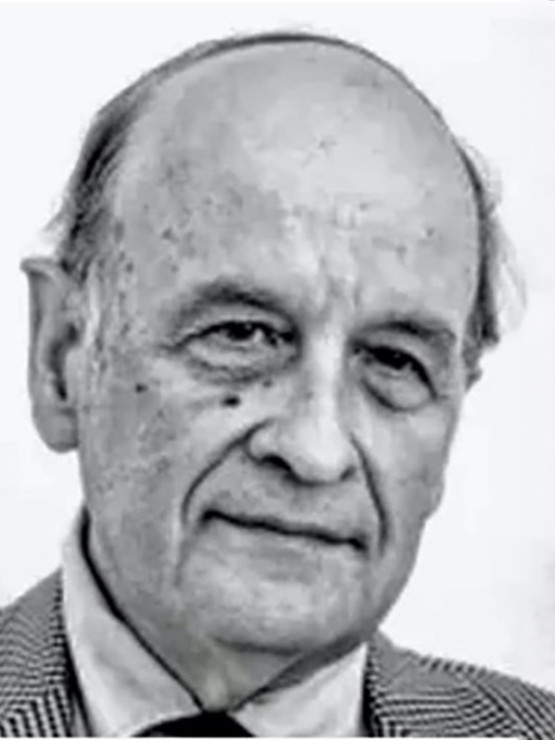
Olivia Procter Benedict oversaw the 1911 renovation of Fulford Hall. Her husband, Keith Benedict, was the dean of the seminary at the time, and Smith says Olivia was committed to Sewanee, spending a significant amount of personal money to make improvements on the domain.

The plaster used in the cottage was one of the strongest in any of the old university buildings, Smith says. It was mixed with human hair, horsehair and wool, a technique to keep the plaster well connected.

As many components of the cottage as possible were re-used or set aside for future use, including a claw-foot bathtub, doors and many other fixtures. Some features will be worked into architectural details of the new residence hall. Other materials collected will become part of the working collection of Sewanee’s archaeology lab. 

Through interviews with Sewanee residents, Millar learned that the cottage had been used not only as a domestic servants’ residence, but also as student housing, a family’s house, a hospital, and briefly, as a home to a student’s pet monkey.

“I learned much more than I had expected through interviews with Sewanee people,” she says. “Their stories about the home and community at the time brought a personal feel that really rounded out our study of the cottage.”
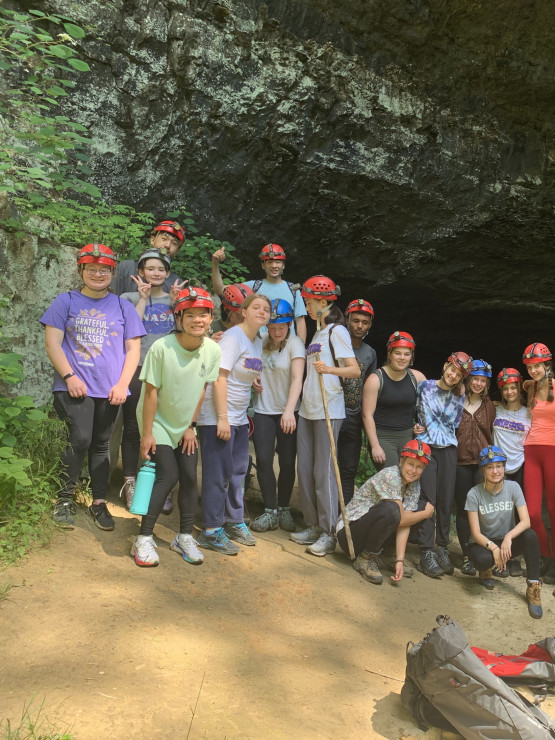
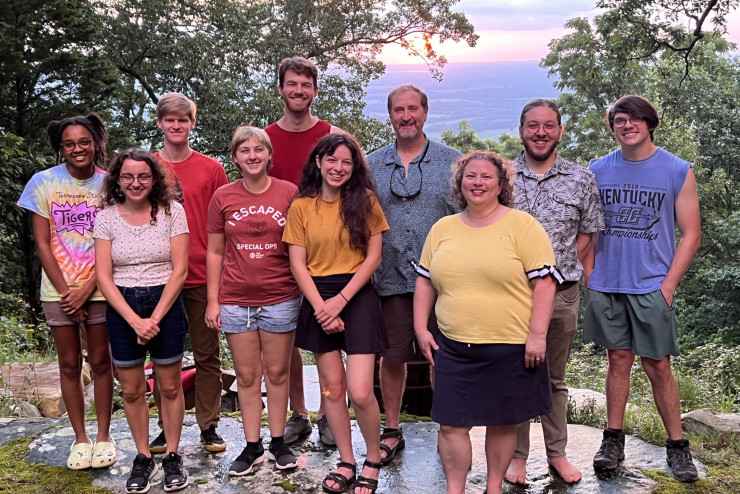
Millar also had the opportunity to share her interest in archeology with high school students, when participants in the Sewanee Environmental Institute summer program visited the site.

“Dr. Smith and I showed them around, told them about the work we were doing, and they helped dig out a wall we had uncovered behind the house that seemed to lead to Abbo's Alley,” she says.

Millar says the experience was her favorite part of the project, because she had participated in the SEI program before coming to Sewanee, and she appreciated being on the other side of things now.

Although Smith has strong proof about when and how the cottage was built, he says he and Millar aren’t finished with this project yet. He thinks he can find something like a bill for material delivery in the Sewanee archives that will confirm the board inscription inside the cottage.

Millar says the project was important to her because she wanted to contribute to Sewanee’s historical record, and there wasn’t much known about domestic cottages on campus. Through studying the Fulford Domestic Cottage, one of the last surviving campus outbuildings, she was able to learn more about the lives of the people who lived there, she says.

“Hopefully future projects will continue using such methods and give us a more complete picture of day-to-day life for all people in the earlier days of the university.”

- Avery Shackelford

View all stories in Academics 

Upcoming

Listing of both today’s and tomorrow’s events at Sewanee: The University of the South.
Today
There are no events scheduled today
Tomorrow
There are no events scheduled tomorrow